

How do I store Earloop KN95 Face Masks to prevent damage?
As a supplier of Earloop KN95 Face Masks, ensuring the proper storage of these essential protective items is not only a matter of maintaining product quality but also a critical service to our valued customers. In this blog, I will share effective strategies on how to store Earloop KN95 Face Masks to prevent damage, drawing on industry best practices and scientific knowledge.
Understanding the Structure and Vulnerabilities of Earloop KN95 Face Masks
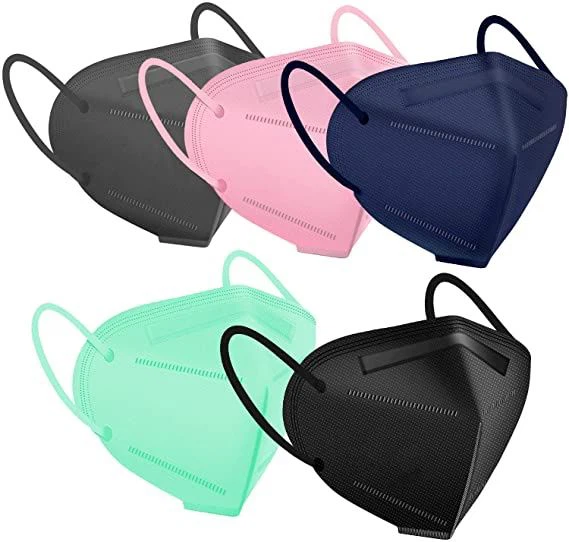
Before delving into storage methods, it's essential to understand the structure and potential vulnerabilities of Earloop KN95 Face Masks. These masks typically consist of multiple layers of non - woven fabric, including a melt - blown filter layer that is crucial for filtering out particles. The ear loops are usually made of elastic material, and the nose clip is often a thin metal strip covered with plastic.
The main factors that can damage these masks include physical stress, moisture, heat, and exposure to chemicals. Physical stress can distort the shape of the mask, especially the nose clip and the filtration layers. Moisture can compromise the filtration efficiency of the melt - blown layer and promote the growth of bacteria and fungi. Heat can cause the materials to degrade, and chemicals can react with the fabric and reduce its effectiveness.

Ideal Storage Conditions
Temperature and Humidity
The ideal temperature for storing Earloop KN95 Face Masks is between 15°C and 25°C (59°F - 77°F). Temperatures outside this range can cause the materials to expand or contract, potentially damaging the structure of the mask. High temperatures can also accelerate the degradation of the elastic ear loops, making them brittle and more likely to break.
Humidity levels should be kept between 30% and 60%. Excessive humidity can lead to the absorption of water by the mask's fabric, reducing its filtration efficiency and providing a breeding ground for microorganisms. On the other hand, very low humidity can cause the fabric to dry out and become brittle, increasing the risk of tearing.
Light and Chemical Exposure
Masks should be stored away from direct sunlight and other sources of ultraviolet (UV) light. UV light can break down the chemical bonds in the non - woven fabric, weakening the material and reducing its filtration ability.
Avoid storing masks near chemicals such as solvents, cleaning agents, and strong acids or bases. These chemicals can react with the mask material, causing it to deteriorate and lose its protective properties.
Storage Containers and Packaging
Original Packaging
The original packaging of Earloop KN95 Face Masks is designed to provide initial protection. It is usually made of materials that can resist moisture and physical damage to a certain extent. Keeping the masks in their original sealed packaging until use is a good way to maintain their integrity.
If the original packaging is damaged, you can transfer the masks to a clean, sealed plastic bag. Make sure to label the bag with the type of mask, the batch number, and the expiration date.
Storage Boxes
For bulk storage, using storage boxes can be an effective solution. Choose boxes made of materials that are resistant to moisture and physical impact, such as plastic or cardboard with a moisture - resistant coating. Line the boxes with tissue paper or foam to provide additional cushioning and protection.
When arranging the masks in the box, stack them neatly to avoid excessive pressure on any one mask. Don't overcrowd the boxes, as this can cause the masks to deform.
Handling and Transportation
Avoid Physical Stress
When handling Earloop KN95 Face Masks, be gentle to avoid bending or stretching the nose clip and ear loops. Improper handling can cause the nose clip to lose its shape, reducing the mask's ability to form a tight seal around the face.
When transporting the masks, use appropriate containers and padding to prevent them from being crushed or damaged. If the masks are being shipped over long distances, consider using shock - absorbing materials and proper packaging to ensure their safety.
Hygiene
Maintain good hygiene when handling the masks. Wash your hands thoroughly before touching the masks to prevent the transfer of dirt, oils, and bacteria. Avoid touching the inside of the mask, as this can contaminate the filtration layer.
Long - Term Storage Tips
Monitoring
If you are storing masks for an extended period, it's important to monitor the storage conditions regularly. Use a thermometer and hygrometer to check the temperature and humidity levels in the storage area. If necessary, make adjustments to ensure that the conditions remain within the recommended range.
Rotation
Practice first - in, first - out (FIFO) inventory management. This means using the oldest masks first to ensure that none of the masks expire before they are used. Regularly check the expiration dates of the masks and remove any expired products from the storage area.
Conclusion
Proper storage of Earloop KN95 Face Masks is essential for maintaining their quality and effectiveness. By following the guidelines outlined in this blog, you can ensure that your masks remain in good condition until they are needed.
At our company, we are committed to providing high - quality Earloop KN95 Face Masks. If you are interested in purchasing our products or have any questions about storage or usage, please feel free to contact us for further discussion. We also offer other types of masks, such as Folding KN95 Protective Mask and KN95 Respirator Mask, which are all designed to meet the highest standards of protection.
Let's work together to ensure the health and safety of everyone through the proper use and storage of protective masks.
References
- Centers for Disease Control and Prevention (CDC). Guidelines for Personal Protective Equipment (PPE) Storage and Handling.
- World Health Organization (WHO). Best Practices for the Storage of Respiratory Protective Devices.
No Information