

How do medical face masks protect against airborne diseases?
Airborne diseases are a significant public health concern, spreading through tiny particles suspended in the air. These diseases can range from the common cold to more severe illnesses like influenza and COVID-19. In the fight against airborne diseases, medical face masks have emerged as a crucial line of defense. As a medical face mask supplier, I've witnessed firsthand the importance of these masks in protecting individuals and communities. In this blog, I'll delve into how medical face masks work to safeguard us from airborne diseases.
Understanding Airborne Diseases
Before we explore how medical face masks protect against airborne diseases, it's essential to understand what airborne diseases are and how they spread. Airborne diseases are caused by pathogens such as viruses and bacteria that can be transmitted through the air. When an infected person coughs, sneezes, talks, or even breathes, they release tiny respiratory droplets into the air. These droplets can carry the pathogens, and if inhaled by others, can lead to infection.
Some airborne diseases, like measles and tuberculosis, are highly contagious and can spread quickly in crowded places. Others, such as the seasonal flu, are more common but can still pose a significant risk, especially to vulnerable populations like the elderly, children, and those with weakened immune systems.
The Role of Medical Face Masks
Medical face masks play a vital role in preventing the spread of airborne diseases by acting as a physical barrier between the wearer and the surrounding environment. They work in two main ways: source control and personal protection.
Source Control
Medical face masks are effective in source control, which means they help prevent the transmission of pathogens from an infected person to others. When an infected person wears a mask, it can capture a significant portion of the respiratory droplets they release when coughing, sneezing, talking, or breathing. This reduces the amount of pathogens that can be released into the air and potentially infect others.
Research has shown that even simple surgical masks can be effective in reducing the transmission of respiratory droplets. A study published in the journal Nature found that surgical masks can block up to 90% of large respiratory droplets, which are the primary carriers of pathogens. This makes them an important tool in containing the spread of airborne diseases in community settings.
Personal Protection
In addition to source control, medical face masks can also provide personal protection to the wearer. When worn properly, masks can filter out a significant portion of the airborne pathogens in the environment, reducing the risk of inhalation. This is particularly important for individuals who are at a higher risk of exposure to airborne diseases, such as healthcare workers and people living in areas with high disease prevalence.
However, it's important to note that the level of personal protection provided by a mask depends on several factors, including the type of mask, the fit of the mask, and the filter efficiency. For example, N95 respirators are designed to provide a higher level of protection compared to surgical masks. They can filter out at least 95% of airborne particles, including small particles and pathogens.
Types of Medical Face Masks
There are several types of medical face masks available on the market, each with its own characteristics and level of protection. Here are some of the most common types:
Medical Protection Face Mask
Medical protection face masks are designed to provide a high level of protection against airborne diseases. They are typically made of multiple layers of non-woven fabric and are equipped with a filter layer to capture airborne particles. These masks are often used in healthcare settings, where the risk of exposure to pathogens is high.
Medical Disposable Face Mask
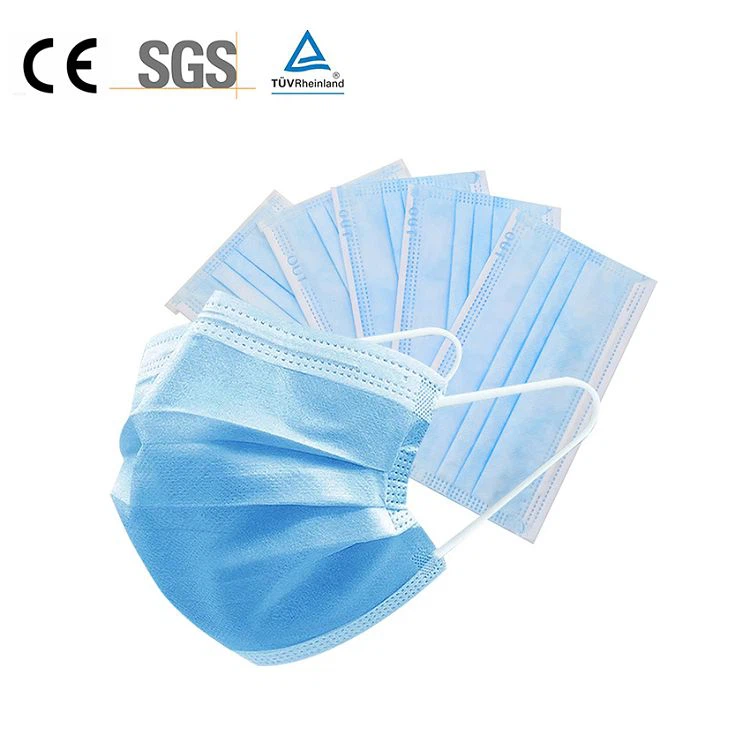
Medical disposable face masks are single-use masks that are commonly used in everyday situations. They are made of lightweight and breathable materials, making them comfortable to wear for extended periods. These masks are effective in reducing the spread of respiratory droplets and are often recommended for use in public places to prevent the transmission of airborne diseases.
Medical Face Mask
Medical face masks are a general term that refers to a variety of masks used for medical purposes. They can include surgical masks, N95 respirators, and other types of masks. The specific type of medical face mask used depends on the level of protection required and the intended use.

How Medical Face Masks Filter Airborne Pathogens
Medical face masks work by filtering the air that passes through them, removing airborne pathogens and other particles. The filtering process is based on several mechanisms, including mechanical filtration, electrostatic attraction, and diffusion.
Mechanical Filtration
Mechanical filtration is the most basic mechanism of filtration in medical face masks. It involves the physical trapping of particles as they pass through the mask's fibers. The size of the fibers and the spacing between them determine the mask's ability to filter particles of different sizes. Smaller fibers and closer spacing can trap smaller particles, providing a higher level of filtration.
Electrostatic Attraction
Many medical face masks, especially those with a filter layer, use electrostatic attraction to enhance their filtration efficiency. Electrostatic charges are applied to the fibers of the filter layer, which attract and capture airborne particles. This mechanism is particularly effective in capturing small particles, such as viruses and bacteria, which may not be effectively filtered by mechanical filtration alone.
Diffusion
Diffusion is another mechanism of filtration in medical face masks. It occurs when small particles move randomly through the air and collide with the mask's fibers. These particles can be captured by the fibers through a process called Brownian motion. Diffusion is more effective in capturing very small particles, such as nanoparticles, which may not be easily filtered by other mechanisms.
Factors Affecting the Effectiveness of Medical Face Masks
While medical face masks are an effective tool in preventing the spread of airborne diseases, their effectiveness can be affected by several factors. Here are some of the key factors to consider:
Fit
The fit of the mask is crucial for its effectiveness. A mask that does not fit properly can allow air to leak in and out around the edges, reducing its ability to filter airborne pathogens. To ensure a proper fit, it's important to choose a mask that is the right size for your face and to adjust the straps to fit snugly.
Filter Efficiency
The filter efficiency of the mask determines its ability to capture airborne particles. Higher filter efficiency means that more particles are captured, providing a higher level of protection. When choosing a mask, it's important to look for masks that meet the relevant standards for filter efficiency, such as N95 respirators, which are designed to filter out at least 95% of airborne particles.
Usage and Maintenance
Proper usage and maintenance of the mask are also important for its effectiveness. Masks should be worn correctly, covering the nose and mouth completely. They should also be replaced regularly, especially if they become wet or dirty. Additionally, hands should be washed thoroughly before and after handling the mask to prevent the spread of pathogens.
Conclusion
Medical face masks are a crucial tool in the fight against airborne diseases. They work by acting as a physical barrier, preventing the spread of respiratory droplets from infected individuals and protecting the wearer from inhaling airborne pathogens. There are several types of medical face masks available, each with its own characteristics and level of protection. The effectiveness of medical face masks depends on factors such as fit, filter efficiency, and proper usage and maintenance.
As a medical face mask supplier, I'm committed to providing high-quality masks that meet the needs of our customers. If you're interested in purchasing medical face masks for your business or personal use, please don't hesitate to contact us. We'll be happy to discuss your requirements and help you find the right masks for your needs.
References
- Morawska, L., & Milton, D. K. (2020). It is time to address airborne transmission of COVID-19. Clinical Infectious Diseases, 71(14), 2311-2313.
- Leung, N. H. L., Chu, D. K. W., Shiu, E. C. Y., et al. (2020). Respiratory virus shedding in exhaled breath and efficacy of face masks. Nature Medicine, 26(5), 676-680.
- Centers for Disease Control and Prevention. (2021). How to Wear a Mask to Protect Yourself & Others. https://www.cdc.gov/coronavirus/2019-ncov/prevent-getting-sick/how-to-wear-cloth-face-coverings.html