

Are medical face masks available in different thicknesses?
As a supplier of Medical Face Masks, I often encounter various inquiries from customers. One frequently asked question is whether medical face masks are available in different thicknesses. In this blog, I'll delve into this topic, exploring the science behind mask thickness, its implications for protection, and how different thicknesses suit various needs.
The Basics of Medical Face Mask Construction
Medical face masks are typically made up of multiple layers of non - woven fabric. These layers serve different functions, including filtering out particles, preventing the spread of droplets, and providing comfort for the wearer. The overall thickness of a mask is determined by the number and type of these layers.
The most common type of medical face mask is the three - layer Medical Disposable Face Mask [/disposable-face-mask/medical-face-masks-for-adults/medical-disposable-face-mask.html]. The outer layer is usually a water - repellent material that helps to block large droplets, such as those from sneezes or coughs. The middle layer is the filter layer, which is responsible for capturing smaller particles, including bacteria and some viruses. The inner layer is a soft, absorbent material that provides comfort against the skin and absorbs moisture from breathing.
Different Thicknesses and Their Purposes
Thin Medical Face Masks
Thin medical face masks usually have fewer layers or thinner materials in each layer. These masks are often used in low - risk environments, such as in general public settings where the risk of exposure to infectious agents is relatively low. For example, in an office environment or a supermarket, a thin Medical Face Mask [/disposable-face-mask/medical-face-masks-for-adults/medical-face-mask.html] can provide a basic level of protection against droplets and some dust particles.
The advantage of thin masks is their comfort. They are lightweight and breathable, which makes them suitable for long - term wear. However, their filtration efficiency may be lower compared to thicker masks. They may not be as effective in filtering out very small particles, such as some airborne viruses.
Medium - Thickness Medical Face Masks
Medium - thickness medical face masks strike a balance between comfort and protection. They typically have an additional layer or slightly thicker materials in the filter layer compared to thin masks. These masks are commonly used in healthcare settings where there is a moderate risk of exposure to infectious agents.
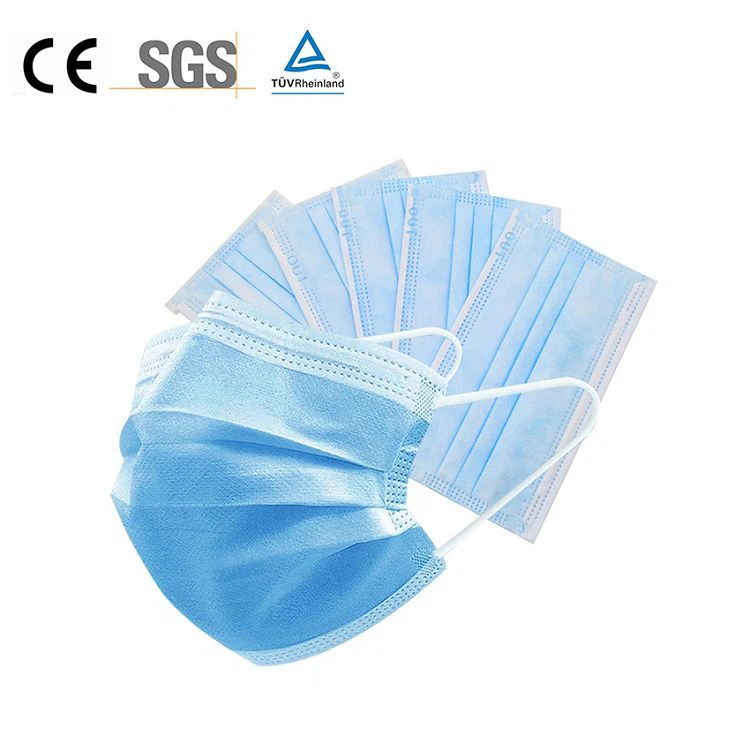

For instance, in a doctor's office or a dental clinic, a medium - thickness Medical Protection Face Mask [/disposable-face-mask/medical-face-masks-for-adults/medical-protection-face-mask.html] can provide a good level of protection for both the healthcare provider and the patient. The increased thickness of the filter layer enhances the mask's ability to capture particles, including bacteria and some viruses, while still maintaining a reasonable level of breathability.
Thick Medical Face Masks
Thick medical face masks are designed for high - risk environments, such as in hospitals' isolation wards or during certain medical procedures where there is a high risk of exposure to infectious aerosols. These masks often have multiple layers of high - efficiency filter materials.
The thick filter layer in these masks can effectively capture a large percentage of small particles, including viruses. However, they are usually less breathable than thin or medium - thickness masks. Wearing a thick mask for an extended period can cause discomfort, such as difficulty breathing and increased heat and moisture build - up inside the mask.
Factors Affecting Mask Thickness and Performance
Filtration Efficiency
The primary purpose of a medical face mask is to filter out particles. The thickness of the filter layer is directly related to the mask's filtration efficiency. Generally, a thicker filter layer can capture more particles. However, the type of material used in the filter layer also plays a crucial role. Some advanced filter materials can achieve high filtration efficiency even with a relatively thin layer.
Breathability
Breathability is an important factor, especially for masks that need to be worn for long periods. As the thickness of a mask increases, its breathability usually decreases. Manufacturers need to find a balance between filtration efficiency and breathability when designing masks. They may use special materials or design techniques to improve breathability without sacrificing too much filtration performance.
Comfort
Comfort is another key consideration. A mask that is too thick can be heavy and may cause pressure marks on the face. It can also restrict movement and make it difficult to talk or eat. On the other hand, a mask that is too thin may not fit well or may not provide enough protection. Therefore, the thickness of the mask should be optimized to ensure both comfort and protection.
Selecting the Right Thickness for Your Needs
When choosing a medical face mask, it's important to consider the specific environment and the level of risk. Here are some guidelines:
- Low - Risk Environments: If you are in a general public setting with a low risk of exposure, a thin medical face mask may be sufficient. It will provide basic protection and is comfortable for long - term wear.
- Medium - Risk Environments: In healthcare settings with a moderate risk of exposure, such as doctor's offices or clinics, a medium - thickness medical face mask is recommended. It offers a good balance between protection and comfort.
- High - Risk Environments: For high - risk areas like hospitals' isolation wards or during certain medical procedures, a thick medical face mask is necessary to ensure maximum protection.
Our Product Range
As a medical face mask supplier, we offer a wide range of masks with different thicknesses to meet the diverse needs of our customers. Our thin medical face masks are perfect for everyday use in public settings, providing comfort and basic protection. Our medium - thickness masks are suitable for healthcare professionals in medium - risk environments, offering enhanced filtration without sacrificing too much breathability. And our thick medical face masks are designed for high - risk situations, ensuring the highest level of protection.
If you are interested in our Medical Face Masks, Medical Disposable Face Masks, or Medical Protection Face Masks, please feel free to contact us for more information and to discuss your specific requirements. We are committed to providing high - quality products and excellent customer service.
References
- Centers for Disease Control and Prevention (CDC). "How to Wear Masks".
- World Health Organization (WHO). "Medical masks: Advice on the use in health care settings".
- European Committee for Standardization (CEN). "EN 14683:2019 - Medical face masks - Requirements and test methods".