

Are medical face masks made in different shapes?
Are medical face masks made in different shapes?
As a supplier of medical face masks, I've witnessed the diverse needs and preferences in the market, which often lead to the creation of masks in various shapes. This blog post aims to explore the reasons behind the different shapes of medical face masks and their implications for users.
The Variety of Medical Face Mask Shapes
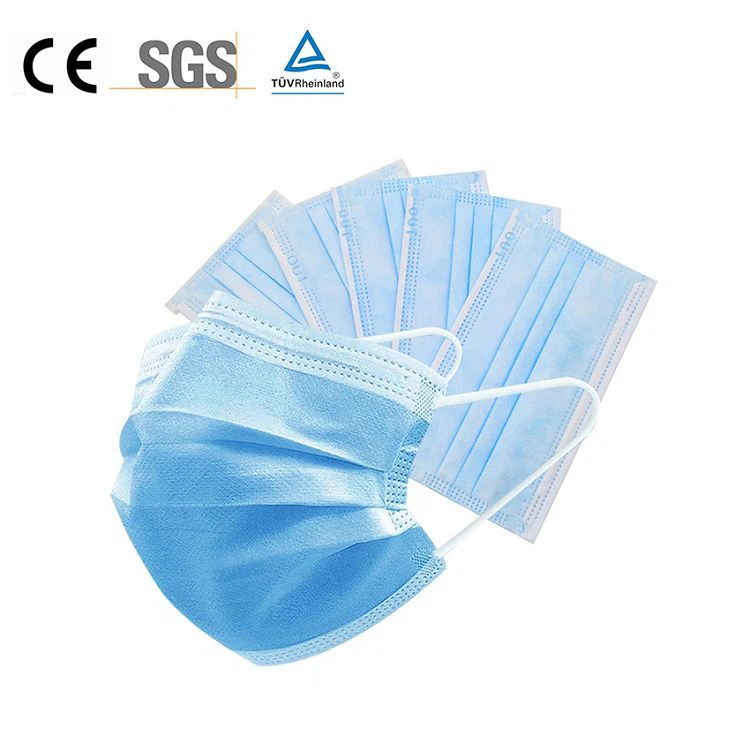
Medical face masks come in several distinct shapes, each designed with specific functions and user comfort in mind. One of the most common shapes is the flat-folded design. This type of mask is characterized by its simple, rectangular shape that can be easily folded flat for storage and transportation. Flat-folded masks are highly versatile and can be used in a wide range of medical settings, from general clinics to hospitals. They are typically made of multiple layers of non - woven fabric, which provides a basic level of protection against droplets and airborne particles. The flat - folded design also allows for easy adjustment to fit different face sizes, as the mask can be unfolded and the ear loops or ties can be adjusted accordingly. You can find a great selection of Medical Disposable Face Mask with this flat - folded shape on our website.
Another popular shape is the cup - shaped mask. Cup - shaped masks are molded to fit the contours of the face, providing a more snug and secure fit compared to flat - folded masks. This design reduces the chances of air leakage around the edges of the mask, which is crucial for effective protection, especially in high - risk environments such as operating rooms or areas with a high concentration of infectious agents. The three - dimensional structure of cup - shaped masks also offers more space for the wearer's nose and mouth, allowing for more comfortable breathing. We offer a variety of Medical Face Mask in cup - shaped designs to meet the needs of different customers.
There are also duckbill - shaped masks. Duckbill - shaped masks are similar to cup - shaped masks in that they are designed to conform to the face, but they have a more elongated and tapered shape. This shape provides a wider field of vision for the wearer and is often preferred by those who need to perform tasks that require a lot of head movement, such as healthcare workers who need to look around while treating patients. Duckbill - shaped masks are also known for their good breathability, as the shape allows for better air circulation inside the mask. If you're interested in this type of mask, you can check out our Medical Protection Face Mask collection.
Reasons for Different Shapes
The main reason for the development of different mask shapes is to meet the diverse needs of users. Different medical settings and tasks require different levels of protection and comfort. For example, in a general outpatient clinic, a flat - folded mask may be sufficient for basic protection against droplets. It is easy to wear and dispose of, making it a cost - effective option for both the healthcare facility and the patients. On the other hand, in a surgical environment, a cup - shaped or duckbill - shaped mask is often preferred because it provides a better seal and reduces the risk of contamination.
Comfort is another important factor. People have different face shapes and sizes, and a one - size - fits - all approach may not work for everyone. By offering masks in different shapes, we can ensure that there is a mask that fits comfortably on each individual's face. A comfortable mask is more likely to be worn correctly and consistently, which is essential for effective protection. For instance, a person with a narrow face may find a flat - folded mask more comfortable, while someone with a broader face may prefer a cup - shaped mask.
The functionality of the mask also plays a role in determining its shape. Some masks are designed for specific purposes, such as filtering out certain types of particles or providing additional protection against chemicals. The shape of the mask can affect its filtration efficiency and the way it interacts with the air. For example, the cup - shaped design can help to direct the airflow through the filtration layers more effectively, enhancing the mask's ability to capture particles.
Implications for Users
When choosing a medical face mask, users should consider their specific needs and the environment in which they will be using the mask. If they are working in a low - risk environment, such as an office or a retail store, a flat - folded disposable mask may be a suitable choice. It is affordable, easy to use, and provides a basic level of protection. However, if they are in a high - risk environment, such as a hospital ward or a laboratory, a cup - shaped or duckbill - shaped mask with a higher filtration efficiency may be necessary.
Users should also pay attention to the fit of the mask. A properly fitting mask should cover the nose, mouth, and chin completely and should not have any gaps around the edges. They can adjust the ear loops or ties to ensure a snug fit. If the mask does not fit well, air can leak in and out around the edges, reducing its effectiveness.

In addition, users should follow the proper procedures for wearing and disposing of the mask. They should wash their hands before putting on the mask and after removing it. Once the mask is no longer needed, it should be disposed of properly to prevent the spread of contaminants.
Conclusion
In conclusion, medical face masks are indeed made in different shapes to meet the diverse needs of users. Each shape has its own advantages and is suitable for different situations. As a supplier of medical face masks, we are committed to providing a wide range of mask shapes and styles to ensure that our customers can find the perfect mask for their needs. Whether you are a healthcare professional, a business owner, or an individual looking for personal protection, we have the right mask for you.
If you are interested in purchasing medical face masks, we invite you to contact us for more information and to discuss your specific requirements. Our team of experts is ready to assist you in finding the best mask solutions for your situation. We look forward to working with you and helping you stay protected.
References
- Centers for Disease Control and Prevention (CDC). (2023). Guidelines for the use of face masks in healthcare settings.
- World Health Organization (WHO). (2023). Recommendations on personal protective equipment for healthcare workers.
- Occupational Safety and Health Administration (OSHA). (2023). Standards for respiratory protection in the workplace.