

Are organic soft face masks for kids better for the environment?
As a supplier of Soft Face Mask for Kids, I've been deeply involved in the face mask industry, witnessing firsthand the growing demand for products that are not only safe for children but also friendly to our planet. The question of whether organic soft face masks for kids are better for the environment is one that has been on the minds of many parents, environmentalists, and industry players alike. In this blog, I'll delve into this topic, exploring the environmental implications of organic and non - organic kids' face masks.
Understanding Organic Soft Face Masks for Kids
Organic soft face masks for kids are typically made from natural and sustainably sourced materials. These materials often include organic cotton, bamboo, or other plant - based fibers. The term "organic" here implies that the materials are grown without the use of synthetic pesticides, fertilizers, or genetically modified organisms (GMOs).
The production process of organic materials is also more environmentally friendly. For example, organic cotton farming uses less water compared to conventional cotton farming. According to a study by the World Wildlife Fund, conventional cotton production is one of the most water - intensive agricultural activities, consuming large amounts of water for irrigation. Organic cotton, on the other hand, relies on more natural rainfall patterns and sustainable water management techniques, reducing its overall water footprint.
Environmental Benefits of Organic Soft Face Masks
Biodegradability
One of the most significant environmental benefits of organic soft face masks for kids is their biodegradability. When these masks reach the end of their life cycle, they can break down naturally in the environment. Organic materials such as cotton and bamboo are composed of natural polymers that can be decomposed by microorganisms in the soil or water. This is in stark contrast to non - organic masks, many of which are made from synthetic materials like polypropylene. These synthetic materials can take hundreds of years to break down, contributing to the growing problem of plastic pollution in landfills and oceans.
Reduced Chemical Pollution
As mentioned earlier, organic materials are grown without the use of synthetic pesticides and fertilizers. These chemicals can have a detrimental impact on the environment. They can contaminate soil, water sources, and harm wildlife. By choosing organic soft face masks for kids, we can reduce the demand for products that contribute to chemical pollution. For instance, pesticides used in conventional cotton farming can runoff into nearby rivers and streams, affecting aquatic ecosystems and the health of fish and other organisms.
Sustainable Resource Management
The production of organic materials often follows sustainable resource management practices. For example, bamboo, a popular material for organic face masks, is a highly renewable resource. It grows rapidly and can be harvested without causing long - term damage to the environment. In contrast, the production of synthetic materials for non - organic masks often relies on non - renewable resources such as petroleum. The extraction and processing of petroleum have significant environmental impacts, including habitat destruction, air pollution, and greenhouse gas emissions.
Comparing with Non - Organic Kids' Face Masks
Non - Organic Disposable Face Masks
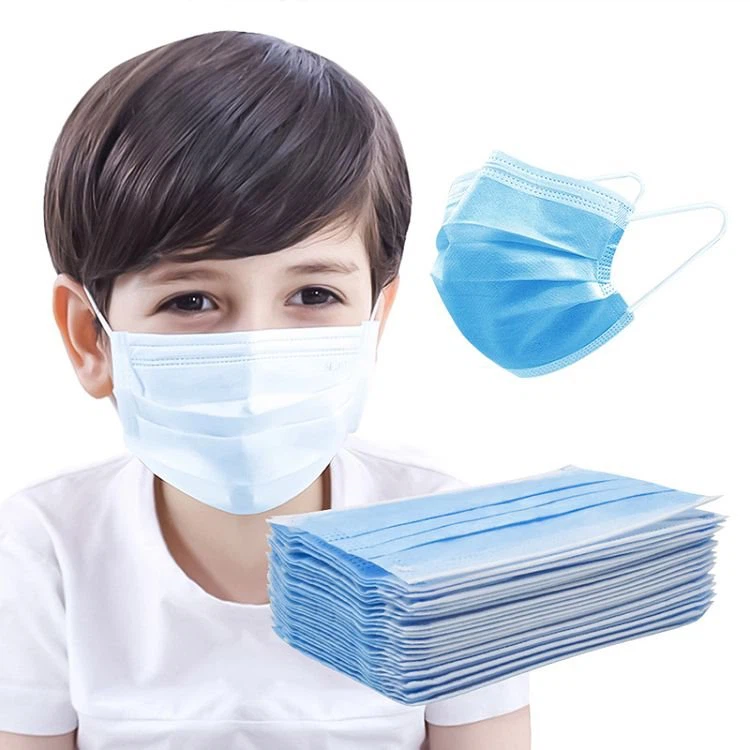
Non - organic disposable face masks, such as Kids Disposable Face Mask Printed and Kids Disposable Face Mask, are commonly made from synthetic materials. These masks are designed for single - use, which means that a large number of them end up in landfills every day. The synthetic fibers used in these masks do not break down easily, leading to a long - term environmental burden.
Non - Organic Reusable Masks
Even non - organic reusable masks may have environmental drawbacks. Some non - organic reusable masks are made from materials that require a lot of energy and water to produce and clean. For example, masks made from certain synthetic blends may need to be washed at high temperatures to ensure proper disinfection, consuming more energy and water in the process.
The Role of Consumers and Suppliers
Consumer Awareness
Consumers play a crucial role in promoting the use of organic soft face masks for kids. By being aware of the environmental benefits of these masks, parents can make more informed purchasing decisions. They can choose to buy Soft Face Mask for Kids made from organic materials, thereby supporting sustainable production practices.
Supplier Initiatives
As a supplier of Soft Face Mask for Kids, I am committed to promoting the use of organic materials in our products. We source our materials from certified organic farms and ensure that our production process is as environmentally friendly as possible. We also educate our customers about the environmental benefits of our products, encouraging them to make sustainable choices.
Challenges and Solutions
Cost
One of the main challenges with organic soft face masks for kids is their cost. Organic materials are often more expensive to produce than non - organic ones, which can result in higher prices for the end - products. However, as the demand for organic products increases, economies of scale may come into play, reducing the cost over time. Additionally, some governments and organizations are offering incentives for the production and purchase of organic products, which can help to offset the higher cost.
Availability
Another challenge is the availability of organic soft face masks for kids. While the market for these products is growing, they may not be as widely available as non - organic masks. To address this issue, suppliers need to increase their production capacity and expand their distribution networks. Retailers also need to be more willing to stock organic products, making them more accessible to consumers.

Conclusion
In conclusion, organic soft face masks for kids are indeed better for the environment. They offer numerous environmental benefits, including biodegradability, reduced chemical pollution, and sustainable resource management. While there are challenges such as cost and availability, these can be overcome through consumer awareness, supplier initiatives, and government support.
As a supplier, I encourage parents and retailers to consider the environmental impact of the face masks they choose. By opting for organic soft face masks for kids, we can not only protect the health of our children but also contribute to a more sustainable future for our planet. If you are interested in purchasing our Soft Face Mask for Kids or have any questions about our products, please feel free to contact us for a procurement discussion.
References
- World Wildlife Fund. (Year). The Environmental Impact of Cotton Production.
- Scientific Journal on Sustainable Materials. (Year). Comparison of Organic and Non - Organic Material Production and Their Environmental Impacts.