

Are soft face masks for kids suitable for kids with allergies?
Allergies in children can be a significant concern for parents, especially when it comes to choosing the right face masks. As a supplier of Soft Face Mask for Kids, I understand the importance of providing safe and effective products for young ones. This blog post aims to explore whether soft face masks for kids are suitable for children with allergies.
Understanding Allergies in Children
Allergies occur when the immune system reacts abnormally to a substance that is usually harmless, such as pollen, dust mites, or certain foods. In children, allergies can manifest in various ways, including skin rashes, itching, sneezing, coughing, and breathing difficulties. Common allergies in kids include allergic rhinitis (hay fever), asthma, atopic dermatitis (eczema), and food allergies.
Key Factors to Consider for Allergic Children and Face Masks
When evaluating the suitability of face masks for allergic children, several factors need to be considered.
Material
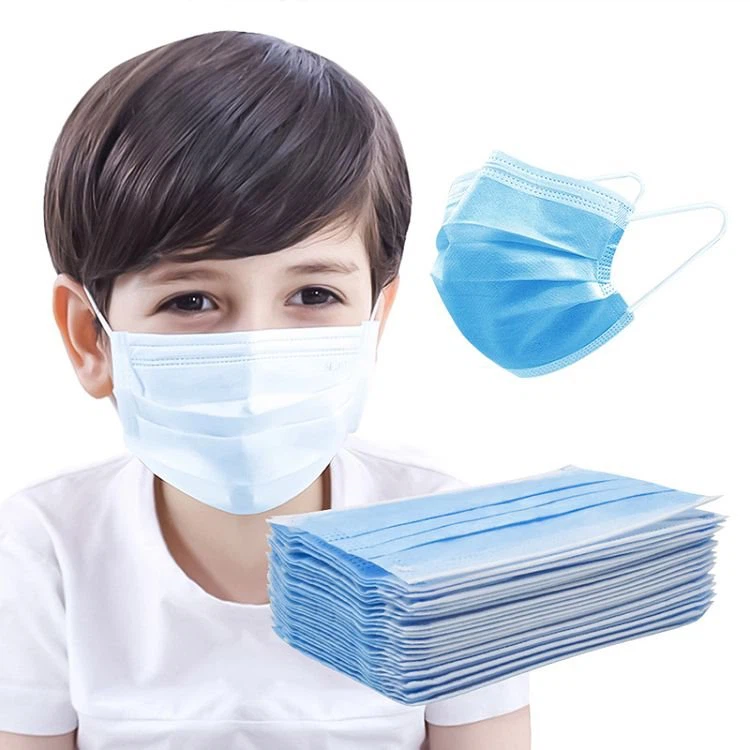
The material of the face mask is crucial. For children with allergies, masks made from hypoallergenic materials are ideal. Hypoallergenic materials are less likely to cause an allergic reaction because they contain fewer potential irritants. Soft face masks for kids are often made from materials like non - woven polypropylene, which is generally considered hypoallergenic. This material is lightweight, breathable, and gentle on the skin, reducing the risk of skin irritation and allergic reactions.

Fit
A proper fit is essential for a face mask to be effective and comfortable. If a mask is too tight, it can cause pressure marks on the skin, which may be more irritating for allergic children. On the other hand, a mask that is too loose may not provide adequate protection. Soft face masks for kids are designed to have an adjustable fit, usually with elastic ear loops or adjustable nose clips. This allows parents to customize the fit to their child's face, ensuring both comfort and protection.
Breathability
Children, especially those with allergies or respiratory conditions like asthma, need masks that are highly breathable. Poorly breathable masks can cause discomfort, increased sweating, and even exacerbate respiratory symptoms. Soft face masks for kids are engineered to have good air permeability. They allow fresh air to enter and carbon dioxide to exit easily, reducing the feeling of suffocation and making it easier for children to breathe while wearing the mask.
Benefits of Soft Face Masks for Allergic Kids
Soft face masks offer several benefits for children with allergies.
Skin - friendly
As mentioned earlier, the soft materials used in these masks are gentle on the skin. They are less likely to cause friction or irritation, which is particularly important for children with sensitive skin or atopic dermatitis. The soft texture of the mask reduces the risk of redness, itching, and rashes that can be triggered by contact with harsh materials.
Protection
Soft face masks can also provide protection against allergens. They can filter out airborne particles such as pollen, dust, and pet dander, which are common allergens. By wearing a mask, allergic children can reduce their exposure to these substances, potentially minimizing the severity of their allergic reactions. For example, during the pollen season, a child with allergic rhinitis may experience fewer symptoms if they wear a face mask while outdoors.
Comfort
Comfort is key when it comes to getting children to wear face masks regularly. Soft face masks are designed to be comfortable, with their lightweight and flexible materials. They are less likely to cause discomfort or distraction, making it easier for children to wear them for extended periods. This is important, especially in school or other public settings where masks are required.
Potential Concerns
While soft face masks for kids have many advantages for allergic children, there are also some potential concerns.
Latex Allergies
Some face masks may contain latex, either in the ear loops or other components. Latex allergy is relatively common, especially among children with other allergies or asthma. It is important to ensure that the soft face masks for kids are latex - free. As a supplier, we take great care to source materials that are free from latex to avoid any potential allergic reactions.
Chemical Residues
There is a possibility that masks may contain chemical residues from the manufacturing process, such as dyes, fragrances, or formaldehyde. These chemicals can be potential allergens. Reputable suppliers, like us, follow strict quality control measures to ensure that our Soft Face Mask for Kids are free from harmful chemical residues. We conduct regular testing to ensure the safety and quality of our products.
Our Product Range
We offer a wide range of Kids Disposable Face Mask options. Our Kids Disposable Face Mask Printed not only provides protection but also comes in various fun designs that kids love. These masks are made with the same high - quality, hypoallergenic materials as our standard soft face masks, ensuring both safety and appeal.
Conclusion
In conclusion, soft face masks for kids can be a suitable option for children with allergies. When made from hypoallergenic materials, have a proper fit, and are highly breathable, they can provide protection against allergens while being gentle on the skin. However, it is important to be aware of potential concerns such as latex allergies and chemical residues. As a responsible supplier, we are committed to providing safe, high - quality products that meet the needs of allergic children.
If you are interested in purchasing our Soft Face Mask for Kids or have any questions about our products, we welcome you to contact us for procurement discussions. We look forward to serving you and ensuring the well - being of your children.
References
- American Academy of Pediatrics. (2021). Face Masks for Children During the COVID - 19 Pandemic.
- World Health Organization. (2020). Advice on the use of masks in the context of COVID - 19.
- National Institute of Allergy and Infectious Diseases (NIAID). (2020). Allergies in Children.