

Do CE - marked medical masks protect against all viruses?
As a supplier of CE - marked medical masks, I often get asked the question: "Do CE - marked medical masks protect against all viruses?" This is a crucial question, especially in a world where viral outbreaks are a constant threat. In this blog post, I'll delve into the science behind CE - marked medical masks, their effectiveness against different viruses, and what they can and cannot do.
Understanding CE - Marked Medical Masks
CE marking is a certification that indicates a product meets the essential health, safety, and environmental protection requirements set by the European Union. For medical masks, the CE mark means that the mask has passed certain quality and performance tests. These masks are designed to provide a barrier between the wearer's mouth and nose and the surrounding environment, reducing the spread of droplets and aerosols.
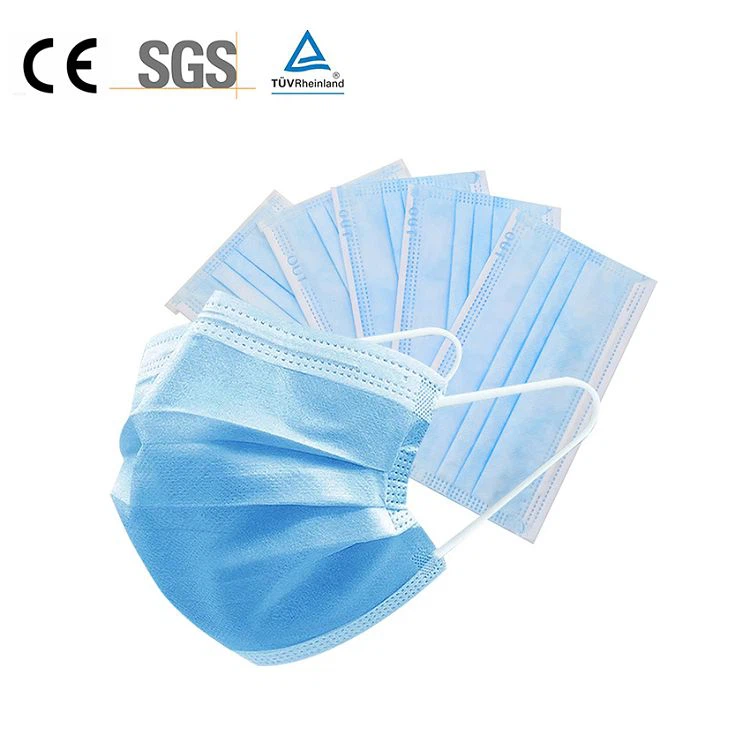
There are different types of CE - marked medical masks, including Medical Protection Face Mask, Medical Disposable Face Mask, and Medical Face Mask. Each type has its own specific features and levels of protection.
Mechanism of Protection Against Viruses
Medical masks work mainly by filtering particles. The outer layer of the mask is designed to repel large droplets, such as those produced when coughing or sneezing. The middle layer acts as a filter, trapping smaller particles like bacteria and viruses. The inner layer is usually a soft, absorbent material that makes the mask comfortable to wear.
When a person wears a medical mask, it reduces the amount of respiratory droplets that are released into the air and also provides some protection against inhaling droplets from others. However, the ability of a mask to filter viruses depends on several factors, including the size of the virus, the quality of the mask, and how well it fits the wearer's face.
Effectiveness Against Different Viruses
Not all viruses are the same in terms of size and behavior, which affects the effectiveness of medical masks against them.
Influenza Viruses
Influenza viruses are relatively large, with a size ranging from about 80 - 120 nanometers. CE - marked medical masks are generally effective in reducing the transmission of influenza viruses. They can block a significant portion of the droplets containing the virus, both from the wearer expelling them and from the surrounding environment.
Coronavirus
Coronaviruses, such as the SARS - CoV - 2 virus that causes COVID - 19, have a size of approximately 60 - 140 nanometers. CE - marked medical masks can provide a certain level of protection against the virus. They are effective in reducing the spread of large respiratory droplets, which are a major mode of transmission for the virus. However, in situations where there are high concentrations of small aerosols, such as in a crowded and poorly ventilated space, a medical mask may not offer complete protection.
Smaller Viruses
There are some viruses that are much smaller, for example, the hepatitis C virus, which has a size of about 50 - 80 nanometers. These smaller viruses may be more likely to pass through the pores of a medical mask compared to larger viruses. While the mask can still provide some protection by blocking droplets and larger particles, its effectiveness against these smaller viruses is reduced.
Limitations of CE - Marked Medical Masks
It's important to recognize that CE - marked medical masks have limitations when it comes to protecting against all viruses.
Fit
Even the best - quality medical mask will not be fully effective if it does not fit properly on the wearer's face. Gaps around the edges of the mask can allow unfiltered air, along with viruses, to enter or exit. This is why proper mask - fitting techniques, such as adjusting the nose wire and ensuring the mask covers the nose, mouth, and chin, are crucial.
Filter Efficiency
The filter efficiency of medical masks is not 100%. There is always a small percentage of particles that can pass through the mask's filter. This means that there is still a risk of exposure to viruses, especially in high - risk environments.
Duration of Use
Over time, the effectiveness of a medical mask can decrease. The mask may become wet or contaminated, reducing its ability to filter particles effectively. For this reason, it is recommended to replace medical masks regularly.
Complementary Measures for Virus Protection
While CE - marked medical masks are an important part of virus protection, they should be used in conjunction with other measures.
Hand Hygiene
Regularly washing hands with soap and water or using hand sanitizer helps to reduce the spread of viruses. Viruses can be transferred to the hands and then to the face, so keeping hands clean is essential.
Social Distancing
Maintaining a safe distance from others, especially in crowded places, reduces the risk of coming into contact with respiratory droplets containing viruses.
Ventilation
Good ventilation in indoor spaces helps to dilute and remove virus - containing aerosols. Opening windows and using ventilation systems can improve air quality.

Importance in a Global Context
In a global context, CE - marked medical masks play a significant role in preventing the spread of viruses. They are used in healthcare settings, in public places, and by individuals around the world. During the COVID - 19 pandemic, medical masks became a crucial tool in the fight against the virus. They helped to reduce the transmission rate, protect healthcare workers, and safeguard the general public.
Conclusion
CE - marked medical masks are an important part of virus protection, but they do not protect against all viruses. Their effectiveness depends on factors such as virus size, mask quality, and proper use. While they can significantly reduce the spread of many viruses, especially through large respiratory droplets, they should be used in combination with other preventive measures.
If you are interested in purchasing high - quality CE - marked medical masks for your organization or personal use, I encourage you to reach out for procurement discussions. We can provide you with detailed information about our products, including their features, specifications, and pricing.
References
- Centers for Disease Control and Prevention (CDC). "How Masks Work."
- World Health Organization (WHO). "Advice on the Use of Masks in the Context of COVID - 19."
- European Commission. "CE Marking."