

How does CE certification ensure the traceability of medical masks?
In the dynamic landscape of the medical industry, the significance of CE certification for medical masks cannot be overstated. As a dedicated supplier of CE-certified medical masks, I have witnessed firsthand how this certification serves as a cornerstone for ensuring the traceability of these essential products. In this blog, I will delve into the intricate mechanisms through which CE certification guarantees the traceability of medical masks, shedding light on its importance in maintaining quality, safety, and regulatory compliance.
Understanding CE Certification for Medical Masks
CE certification is a mandatory conformity mark for many products sold within the European Economic Area (EEA). For medical masks, this certification indicates that the product meets the essential health and safety requirements set out in the relevant European Union (EU) directives. The certification process involves a comprehensive assessment of the mask's design, materials, manufacturing processes, and performance to ensure that it complies with the necessary standards.

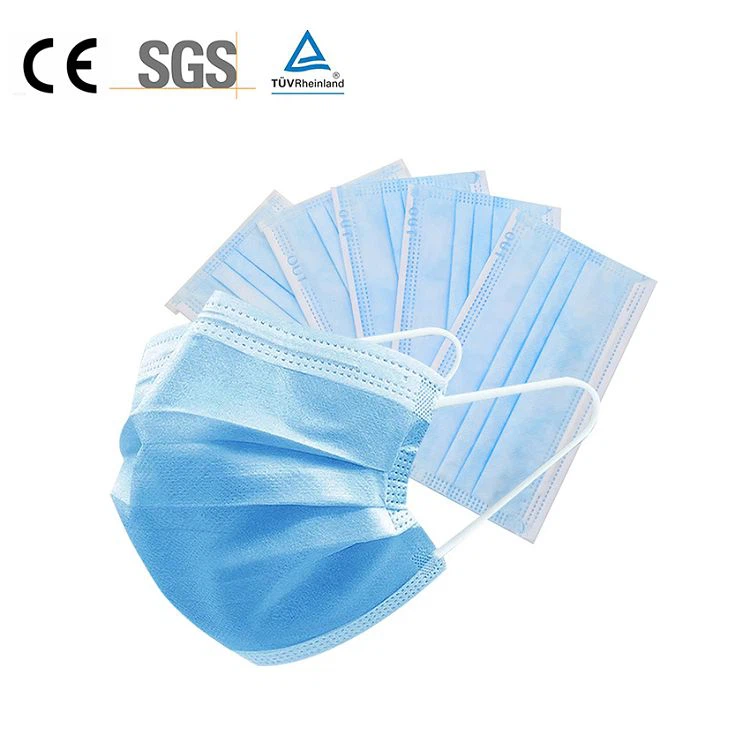
One of the key aspects of CE certification is the requirement for manufacturers to establish and maintain a robust quality management system. This system encompasses all aspects of the production process, from raw material sourcing to final product testing and packaging. By implementing a quality management system, manufacturers can ensure that their products are consistently produced to the highest standards and that any deviations from these standards are promptly identified and corrected.
Traceability: A Critical Component of CE Certification
Traceability is a fundamental principle of CE certification for medical masks. It refers to the ability to track and trace the history, distribution, location, and application of a product at all stages of its life cycle. In the context of medical masks, traceability is essential for several reasons:
Quality Control and Assurance
Traceability allows manufacturers to identify and address any quality issues that may arise during the production process. By tracking the origin of raw materials, the manufacturing processes used, and the testing results of each batch of masks, manufacturers can quickly isolate and recall any defective products. This helps to prevent the distribution of substandard masks and ensures that only safe and effective products reach the market.
Regulatory Compliance
CE certification requires manufacturers to maintain detailed records of their production processes and product testing results. These records serve as evidence of compliance with the relevant EU directives and can be used to demonstrate that the masks meet the necessary health and safety requirements. In the event of a regulatory inspection or audit, manufacturers must be able to provide these records to prove that their products are compliant.
Patient Safety
Traceability is crucial for ensuring the safety of patients who use medical masks. In the event of an adverse event or product recall, traceability allows healthcare providers to quickly identify and notify patients who may have been exposed to the defective masks. This helps to minimize the risk of harm to patients and ensures that appropriate measures are taken to protect their health.
How CE Certification Ensures Traceability of Medical Masks
CE certification provides several mechanisms for ensuring the traceability of medical masks. These mechanisms include:
Unique Identification Numbers
Each batch of medical masks must be assigned a unique identification number (UIN). This number is used to identify the batch throughout its life cycle and is printed on the mask packaging and accompanying documentation. The UIN allows manufacturers, distributors, and healthcare providers to track the movement of each batch of masks from the manufacturing facility to the end-user.
Batch Records
Manufacturers are required to maintain detailed batch records for each batch of medical masks they produce. These records include information such as the date of production, the lot number of the raw materials used, the manufacturing processes employed, the testing results of the masks, and the distribution history of the batch. Batch records are essential for traceability as they provide a comprehensive overview of the production process and allow manufacturers to track the movement of each batch of masks.
Serialization
Serialization involves the assignment of a unique serial number to each individual medical mask. This number is printed on the mask itself and is used to identify the mask throughout its life cycle. Serialization provides an additional layer of traceability as it allows manufacturers, distributors, and healthcare providers to track the movement of each individual mask from the manufacturing facility to the end-user.
Electronic Data Interchange (EDI)
Many manufacturers use electronic data interchange (EDI) systems to manage the traceability of their medical masks. EDI systems allow manufacturers to electronically transmit batch records, UINs, and other relevant information to their distributors and healthcare providers. This helps to streamline the traceability process and ensures that accurate and up-to-date information is available to all stakeholders.
The Role of Distributors and Healthcare Providers in Traceability
Distributors and healthcare providers also play a crucial role in ensuring the traceability of medical masks. They are required to maintain accurate records of the masks they receive, store, and distribute. These records should include information such as the UIN, batch number, quantity received, date of receipt, and the name and address of the supplier.
In addition, distributors and healthcare providers must ensure that the medical masks they handle are properly stored and transported to prevent damage or contamination. They should also follow the manufacturer's instructions for the use and disposal of the masks to ensure their safety and effectiveness.
Conclusion
In conclusion, CE certification is a critical component of ensuring the traceability of medical masks. By implementing a quality management system, assigning unique identification numbers, maintaining detailed batch records, and using serialization and EDI systems, manufacturers can ensure that their products are consistently produced to the highest standards and that any deviations from these standards are promptly identified and corrected. Traceability is essential for quality control and assurance, regulatory compliance, and patient safety. As a supplier of CE-certified medical masks, I am committed to upholding the highest standards of traceability and ensuring that our products are safe, effective, and compliant with all relevant regulations.
If you are interested in purchasing high-quality CE-certified medical masks, please feel free to contact us for more information. We offer a wide range of Medical Face Mask, Medical Protection Face Mask, and Medical Disposable Face Mask to meet the needs of healthcare providers and other customers. Our masks are manufactured to the highest standards and are backed by our commitment to quality and customer satisfaction.
References
- European Union Medical Device Regulation (EU) 2017/745
- International Organization for Standardization (ISO) 13485:2016 - Medical devices -- Quality management systems -- Requirements for regulatory purposes
- World Health Organization (WHO) Guidelines on Infection Prevention and Control in Health Care Facilities