

How to adjust the straps of a KN95 respirator?
Properly adjusting the straps of a KN95 respirator is crucial for ensuring its effectiveness in protecting you from airborne particles and contaminants. As a KN95 respirator supplier, I understand the importance of providing clear guidance on this topic. In this blog post, I'll share some practical tips on how to adjust the straps of a KN95 respirator to achieve a secure and comfortable fit.
Understanding the Importance of a Proper Fit
Before we dive into the adjustment process, it's essential to understand why a proper fit is so important. A well-fitted KN95 respirator creates a seal around your face, preventing air from leaking in through the edges. This ensures that the air you breathe passes through the filter, which can trap up to 95% of airborne particles, including dust, pollen, smoke, and viruses.
If the respirator doesn't fit properly, air can leak in around the edges, reducing its effectiveness. This means that you may be exposed to harmful particles and contaminants, even if you're wearing a respirator. Additionally, an ill-fitting respirator can be uncomfortable to wear, which may lead you to adjust it frequently or remove it altogether, further compromising its effectiveness.
Types of KN95 Respirators and Their Straps
There are several types of KN95 respirators available on the market, each with its own unique strap design. The most common types of straps are earloop straps and headband straps.
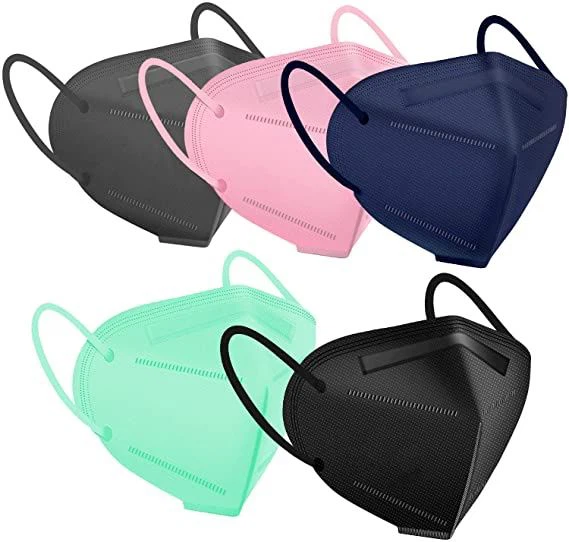
- Earloop Straps: Earloop KN95 face masks Earloop KN95 Face Mask are the most convenient and easy to use. They feature two elastic loops that fit around your ears, holding the respirator in place. Earloop straps are suitable for short-term use and are often used in healthcare settings, construction sites, and other industries.
- Headband Straps: Headband KN95 respirators feature two elastic bands that go around the back of your head, providing a more secure and comfortable fit. Headband straps are ideal for long-term use and are often used by workers who need to wear a respirator for extended periods.
Adjusting the Straps of an Earloop KN95 Respirator
Adjusting the straps of an earloop KN95 respirator is a simple process that can be done in a few easy steps.
- Hold the Respirator: Hold the respirator in front of your face with the nosepiece at the top. Make sure the respirator is the right way up and that the straps are hanging down.
- Place the Straps over Your Ears: Place the earloop straps over your ears, making sure they are positioned behind your ears and not in front. Adjust the straps so that they are comfortable and not too tight.
- Mold the Nosepiece: Use your fingers to mold the nosepiece to the shape of your nose. Start at the center of the nosepiece and work your way outwards, pressing down firmly to create a seal.
- Check the Fit: Once you have adjusted the straps and molded the nosepiece, check the fit of the respirator. Place your hands over the respirator and inhale deeply. If you feel air leaking in around the edges, adjust the straps or the nosepiece until you achieve a proper seal.
Adjusting the Straps of a Headband KN95 Respirator
Adjusting the straps of a headband KN95 respirator is a bit more involved than adjusting the straps of an earloop respirator, but it's still a relatively simple process.
- Hold the Respirator: Hold the respirator in front of your face with the nosepiece at the top. Make sure the respirator is the right way up and that the straps are hanging down.
- Place the Straps on Your Head: Place the headband straps over your head, making sure the top strap is positioned at the back of your head and the bottom strap is positioned at the base of your neck. Adjust the straps so that they are comfortable and not too tight.
- Mold the Nosepiece: Use your fingers to mold the nosepiece to the shape of your nose. Start at the center of the nosepiece and work your way outwards, pressing down firmly to create a seal.
- Adjust the Straps: Once you have molded the nosepiece, adjust the straps to ensure a proper fit. Pull the straps gently to tighten them, making sure the respirator is snug against your face but not too tight.
- Check the Fit: Place your hands over the respirator and inhale deeply. If you feel air leaking in around the edges, adjust the straps or the nosepiece until you achieve a proper seal.
Tips for a Secure and Comfortable Fit
In addition to following the steps outlined above, there are several tips you can follow to ensure a secure and comfortable fit when wearing a KN95 respirator.

- Choose the Right Size: Make sure you choose a KN95 respirator that is the right size for your face. A respirator that is too small may not provide a proper seal, while a respirator that is too large may be uncomfortable to wear.
- Clean Your Face: Before putting on a KN95 respirator, make sure your face is clean and dry. This will help the respirator create a better seal and prevent irritation.
- Avoid Facial Hair: Facial hair can prevent a KN95 respirator from creating a proper seal, reducing its effectiveness. If you have facial hair, consider shaving it off or using a respirator that is designed to work with facial hair.
- Replace the Respirator Regularly: KN95 respirators are designed for single-use or limited reuse. Make sure you replace your respirator regularly, especially if it becomes dirty, damaged, or difficult to breathe through.
Conclusion
Properly adjusting the straps of a KN95 respirator is essential for ensuring its effectiveness in protecting you from airborne particles and contaminants. By following the tips outlined in this blog post, you can achieve a secure and comfortable fit that will help you stay safe and healthy.
As a KN95 respirator supplier, we offer a wide range of high-quality KN95 Respirator Mask and KN95 Face Mask for Adult that are designed to provide a secure and comfortable fit. If you're interested in purchasing KN95 respirators for your business or personal use, please contact us to discuss your needs and place an order. We look forward to helping you find the right respirator for your needs.
References
- Centers for Disease Control and Prevention (CDC). (2023). How to Wear and Remove a Respirator. Retrieved from [CDC Website]
- Occupational Safety and Health Administration (OSHA). (2023). Respiratory Protection. Retrieved from [OSHA Website]