

How to tell if a KN95 respirator mask is real?
In the current global health landscape, the demand for reliable personal protective equipment (PPE) has skyrocketed, and KN95 respirator masks have emerged as a popular choice for individuals seeking effective respiratory protection. As a supplier of high-quality KN95 Respirator Mask, I understand the importance of ensuring that the masks you purchase are genuine and meet the necessary standards. In this blog post, I will share some key tips on how to tell if a KN95 respirator mask is real, helping you make informed decisions and protect yourself and others.
Understanding the KN95 Standard
Before delving into the methods of identifying genuine KN95 masks, it's essential to understand what the KN95 standard entails. The KN95 standard is a Chinese respiratory protection standard that specifies the minimum requirements for particulate filtering facepiece respirators. Similar to the N95 standard in the United States, KN95 masks are designed to filter out at least 95% of airborne particles that are 0.3 microns in diameter or larger.
Check for Certification
One of the most reliable ways to determine if a KN95 mask is real is to check for proper certification. Genuine KN95 masks should be certified by the Chinese government's quality control agency, the State Administration for Market Regulation (SAMR) and the Certification and Accreditation Administration of the People's Republic of China (CNCA). Look for the following markings on the mask:
- Certification Number: A valid KN95 mask should have a unique certification number printed on the packaging or the mask itself. You can verify this number on the official CNCA website to confirm its authenticity.
- Manufacturer Information: The mask should clearly display the name and contact information of the manufacturer. Reputable manufacturers are more likely to produce high-quality, genuine products.
Examine the Packaging
The packaging of a KN95 mask can also provide valuable clues about its authenticity. Here are some things to look for:
- Quality of Printing: Genuine KN95 masks typically come in well-printed, high-quality packaging. The text and graphics should be clear, sharp, and free of smudges or errors.
- Labeling Details: The packaging should include detailed information about the mask, such as the model number, size, filtration efficiency, and usage instructions. Any missing or incomplete information could be a sign of a counterfeit product.
- Seal Integrity: Check the packaging for any signs of tampering or damage. A sealed package is more likely to contain a genuine mask.
Inspect the Mask Itself
Once you've checked the packaging, it's time to examine the mask itself. Here are some key features to look for:
- Construction Quality: A genuine KN95 mask should be well-constructed, with no loose threads, gaps, or holes. The edges should be neatly finished, and the mask should fit snugly on your face without leaving any gaps.
- Material Quality: The mask should be made of high-quality materials that are soft, breathable, and comfortable to wear. The filtration layer should be thick and dense, and the outer layer should be water-resistant.
- Strap Strength: The straps of the mask should be strong and durable, with no signs of fraying or breakage. They should be adjustable to ensure a secure fit.
Perform a Fit Test
A proper fit is crucial for the effectiveness of a KN95 mask. To perform a fit test, follow these steps:
- Place the mask over your nose and mouth, ensuring that it covers your chin and extends to the bridge of your nose.
- Adjust the straps to ensure a snug fit, but not too tight that it causes discomfort.
- Cup your hands around the edges of the mask and inhale sharply. If you feel air leaking around the edges, readjust the mask or try a different size.
- Exhale slowly and feel for any air leakage. If you feel air escaping around the edges, the mask is not fitting properly and may not provide adequate protection.
Look for Additional Features
In addition to the above factors, some genuine KN95 masks may have additional features that can help you identify them. These features include:
- Valve: Some KN95 masks come with a valve that makes it easier to breathe out. A valve can also help reduce moisture buildup inside the mask, making it more comfortable to wear for extended periods.
- Exhalation Resistance: A genuine KN95 mask should have a low exhalation resistance, which means it should be easy to breathe out through the mask. If you find it difficult to exhale, the mask may be a counterfeit or of poor quality.
Beware of Counterfeits
Unfortunately, the market for KN95 masks is flooded with counterfeit products. Here are some common signs of a counterfeit KN95 mask:
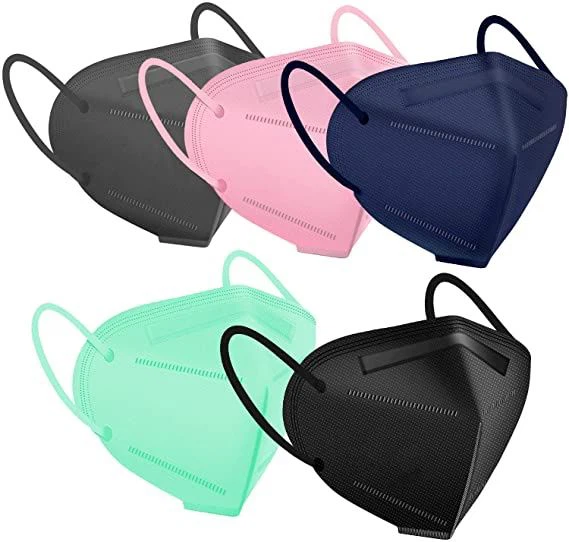

- Low Price: If a KN95 mask is significantly cheaper than the average market price, it's likely a counterfeit. Genuine KN95 masks are made with high-quality materials and undergo strict quality control, which makes them more expensive to produce.
- Poor Quality: Counterfeit masks are often made with low-quality materials and may have visible defects, such as loose threads, gaps, or holes.
- Missing Certification: A counterfeit mask may not have the proper certification markings or may have fake markings. Always verify the certification number on the official CNCA website.
- Unusual Packaging: Counterfeit masks may come in poorly printed or damaged packaging, or the packaging may not include the necessary information about the mask.
Conclusion
In conclusion, ensuring the authenticity of a KN95 respirator mask is essential for your safety and the safety of others. By following the tips outlined in this blog post, you can increase your chances of purchasing a genuine KN95 mask that meets the necessary standards. As a supplier of high-quality KN95 Respirator Mask, I am committed to providing our customers with reliable and effective respiratory protection. If you have any questions or need further assistance, please don't hesitate to contact us. We look forward to working with you to meet your PPE needs.
References
- State Administration for Market Regulation (SAMR)
- Certification and Accreditation Administration of the People's Republic of China (CNCA)