

What are the requirements for a face mask to get CE and FDA approval?
In the era of global health concerns, face masks have become an essential part of our daily lives. As a supplier of face masks with CE and FDA approval, I understand the importance of meeting the stringent requirements set by these regulatory bodies. This blog aims to delve into the specific criteria that a face mask must fulfill to obtain CE and FDA approval, providing valuable insights for both manufacturers and potential buyers.
CE Approval Requirements
The CE mark is a certification mark that indicates conformity with health, safety, and environmental protection standards for products sold within the European Economic Area (EEA). For face masks, the CE approval process is governed by the Personal Protective Equipment (PPE) Regulation (EU) 2016/425.
1. Classification
Face masks are classified into different categories based on their intended use and level of protection. The PPE Regulation defines three main categories:
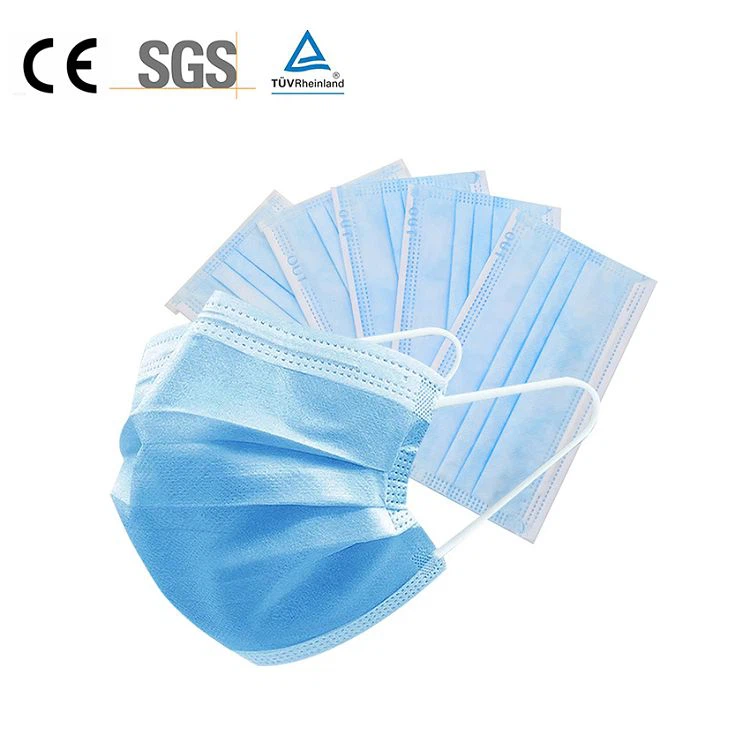

- Category I: Low-risk products, such as simple dust masks.
- Category II: Medium-risk products, including surgical masks and some types of filtering facepiece respirators.
- Category III: High-risk products, such as respirators used in hazardous environments.
The classification of a face mask determines the conformity assessment procedure that must be followed.
2. Technical Requirements
To obtain CE approval, face masks must meet specific technical requirements related to their performance, design, and materials. These requirements include:
- Filtration Efficiency: The mask must have a certain level of filtration efficiency to prevent the penetration of particles. For example, surgical masks must have a minimum filtration efficiency of 95% for particles with a size of 3 microns or larger.
- Bacterial Filtration Efficiency (BFE): This measures the mask's ability to filter out bacteria. Surgical masks typically require a BFE of at least 98%.
- Fluid Resistance: The mask must be resistant to the penetration of fluids, such as blood and body fluids, to protect the wearer from splashes and sprays.
- Breathability: The mask should allow for easy breathing to ensure user comfort. It must have a low pressure drop across the mask, which is the difference in pressure between the inside and outside of the mask during inhalation and exhalation.
- Fit and Seal: The mask must fit properly on the face to provide effective protection. It should have a good seal around the nose, mouth, and chin to prevent the leakage of air and particles.
3. Conformity Assessment
The conformity assessment procedure for face masks varies depending on their classification. For Category I masks, manufacturers can self-certify their products by conducting internal tests and issuing a Declaration of Conformity. For Category II and III masks, an independent third-party notified body must be involved in the assessment process. The notified body will review the manufacturer's technical documentation, conduct testing, and issue a CE certificate if the mask meets all the requirements.
FDA Approval Requirements
The U.S. Food and Drug Administration (FDA) regulates the sale of face masks in the United States. The FDA approval process for face masks depends on their intended use and classification.
1. Classification
The FDA classifies face masks into two main categories:
- Surgical Masks: These are used during surgical procedures to protect the patient from the wearer's respiratory secretions. Surgical masks are considered medical devices and are subject to specific regulatory requirements.
- Respirators: These are used to protect the wearer from inhaling harmful particles, such as dust, smoke, and biological agents. Respirators are also classified as medical devices and must meet strict performance standards.
2. Technical Requirements
To obtain FDA approval, face masks must meet the following technical requirements:
- Filtration Efficiency: Similar to CE approval, the mask must have a certain level of filtration efficiency to protect the wearer from particles. The FDA has specific requirements for the filtration efficiency of surgical masks and respirators.
- Bacterial Filtration Efficiency (BFE): Surgical masks must have a BFE of at least 95% to be considered effective in preventing the spread of bacteria.
- Fluid Resistance: The mask must be resistant to the penetration of fluids to protect the wearer from splashes and sprays. Surgical masks typically require a fluid resistance of at least 120 mmHg.
- Flammability: The mask must be non-flammable to ensure user safety.
- Labeling and Instructions for Use: The mask must be labeled with clear instructions for use, including information on its intended use, limitations, and proper disposal.
3. Emergency Use Authorization (EUA)
In response to the COVID-19 pandemic, the FDA has issued Emergency Use Authorizations (EUAs) for certain face masks that do not meet all the standard regulatory requirements but are deemed necessary for public health. EUAs allow the use of these masks during the emergency period, subject to certain conditions and limitations.
Our Products and Compliance
As a supplier of face masks with CE and FDA approval, we are committed to providing high-quality products that meet the strictest regulatory requirements. Our Medical Disposable Face Mask, Medical Protection Face Mask, and Medical Face Mask have been rigorously tested and certified to ensure their performance and safety.
We work closely with independent testing laboratories and notified bodies to conduct comprehensive testing of our products. Our masks are made from high-quality materials that provide excellent filtration efficiency, breathability, and comfort. They are designed to fit properly on the face and provide a good seal to prevent the leakage of air and particles.
Contact Us for Procurement
If you are interested in purchasing our CE and FDA-approved face masks, we invite you to contact us for more information and to discuss your procurement needs. Our team of experts is ready to assist you in finding the right face masks for your specific requirements. Whether you are a healthcare provider, a business, or an individual, we can provide you with high-quality face masks that meet the highest standards of safety and performance.
References
- Personal Protective Equipment (PPE) Regulation (EU) 2016/425
- U.S. Food and Drug Administration (FDA) regulations for face masks
- Relevant international standards for face mask performance and safety