

What is the breathability rate of kids medical face masks?
As a supplier of Kids Medical Face Masks, I've gotten tons of questions over the years, but one that keeps coming up is, "What is the breathability rate of kids medical face masks?" It's a super important question, especially when you're thinking about your little one's comfort and health.
First off, let's talk about why breathability matters so much in kids' face masks. Kids are naturally energetic. They love to run around, play, and have a blast. Wearing a mask that's not breathable can make them feel stuffy and uncomfortable. That discomfort might lead them to take the mask off, which defeats the purpose of wearing it in the first place. Moreover, proper breathability is essential for healthy respiration. It allows fresh air to flow in and carbon dioxide to flow out, reducing the risk of dizziness or shortness of breath.
Now, determining the breathability rate isn't as straightforward as you might think. There are several factors that can influence it. The material of the mask is a huge one. For instance, masks made from natural fibers like cotton tend to be more breathable compared to those made from synthetic materials. Cotton allows air to pass through more easily, keeping your child's face cool and dry. But it doesn't mean synthetic materials are all bad. Some modern synthetic fibers are engineered to have good breathability too.
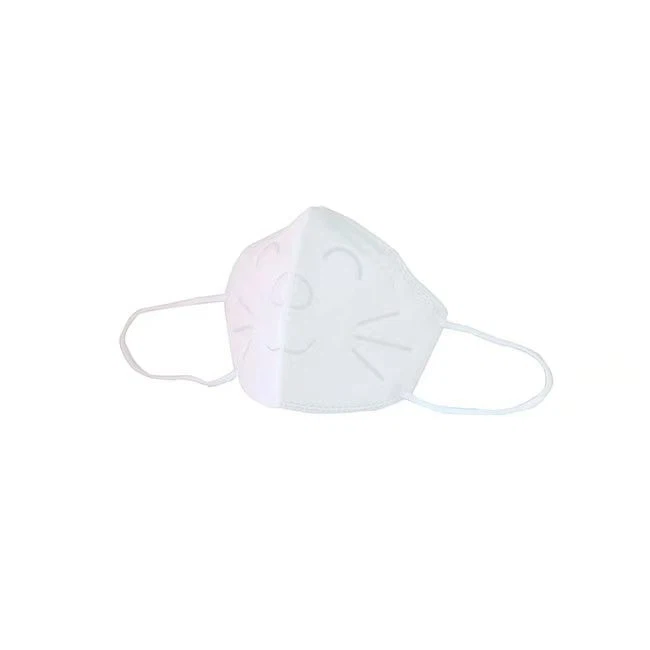
The design of the mask also plays a big role. A well - designed mask will have proper ventilation channels or pores that facilitate air circulation. For example, 3D - shaped masks, like our Particulate Respirator 3D Children's, are not only more comfortable to wear but also have better air circulation due to their shape. The space between the mask and the face allows for a bit of air to move around freely, improving the overall breathability.
Another aspect that impacts breathability is the number of layers in the mask. Generally, medical face masks have multiple layers to ensure filtration efficiency. But as you add more layers, the breathability can decrease. It's a bit of a balancing act for manufacturers. We at our company spend a lot of time researching and testing to find the perfect balance between protection and breathability. Our Kids Medical Face Mask is designed with this in mind. We've come up with a multi - layer structure that offers reliable protection while still maintaining a good level of breathability.
Now, let's get into numbers. The breathability rate is usually measured in terms of airflow resistance. A lower airflow resistance means better breathability. The unit for this measurement is often Pa (Pascals). In the medical and safety standards, there are specific requirements for the airflow resistance of face masks. For kids' face masks, the ideal airflow resistance should be relatively low because children have smaller lungs and may not tolerate high resistance as well as adults. However, it's important to note that different regions and organizations may have slightly different standards.
In our own testing process, we use state - of - the - art equipment to measure the breathability of our products. We make sure that our Kids Medical Soft Face Masks meet or exceed the relevant standards for breathability. This way, parents can be confident that when their kids wear our masks, they're not only protected but also able to breathe easily.
It's also crucial to understand that the breathability of a mask can change over time. For example, if a mask gets wet (maybe from a child's saliva or sweat), its breathability can decrease significantly. That's why it's recommended to change masks regularly, especially if they start to feel damp.
As a supplier, I'm always looking for ways to improve our masks' breathability. We're constantly researching new materials and designs. We know that parents want the best for their kids, and we're determined to provide it. Whether it's through using more breathable fabrics or coming up with innovative mask designs, we're on top of it.

If you're a parent or someone in charge of purchasing kids' medical face masks, you might be wondering how to choose a mask with good breathability. Apart from looking at the product description and the manufacturer's claims, you can also check for relevant certifications. Reputable certifications usually mean that the mask has been tested and meets certain standards for breathability and other safety aspects.
So, in conclusion, the breathability rate of kids medical face masks is a complex but crucial topic. It's affected by multiple factors such as material, design, and the number of layers. As a supplier, we're committed to providing high - quality masks that offer both excellent protection and good breathability. If you're interested in learning more about our Kids Medical Face Masks or if you're looking to place an order for your organization or just for your family, don't hesitate to reach out for procurement discussions.
References:
- Various medical mask testing and certification guidelines
- Research on materials and their breathability properties for face masks