

What is the difference between surgical and non - surgical kids medical face masks?
In the realm of children's health protection, medical face masks have become an essential item. As a dedicated supplier of Kids Medical Face Masks, I've witnessed firsthand the growing demand for reliable and effective face - masks for kids. There are two main types of kids' medical face masks: surgical and non - surgical. Understanding the differences between them is crucial for parents, caregivers, and institutions looking to purchase the right product for children.
Design and Structure
Surgical kids' medical face masks are typically designed with a flat and rectangular shape. They are often secured to the face using ear loops, which are adjustable in some high - quality models to ensure a comfortable fit for different head sizes of children. The mask usually has multiple layers. The outer layer is made of a water - repellent material, which helps to prevent splashes of bodily fluids such as saliva, blood, or respiratory droplets from reaching the child's face. The middle layer acts as a filter, trapping large particles and some microorganisms. The inner layer is soft and absorbent, which can soak up the moisture from the child's breath, keeping the face dry and comfortable. For example, our Kids Medical Soft Face Masks have a well - structured design that adheres to these surgical mask standards, providing a reliable barrier for kids in various medical and daily settings.
On the other hand, non - surgical kids' medical face masks come in a wider variety of designs. Some are 3D - shaped, like our Particulate Respirator 3D Children's. The 3D design creates more space between the mask and the child's face, allowing for easier breathing and reducing the feeling of claustrophobia. Non - surgical masks may also use different fastening methods. Besides ear loops, some may have ties that go around the head, which can provide a more secure fit, especially for active children.
Filtration Efficiency
Filtration efficiency is a key factor when it comes to evaluating the performance of face masks. Surgical kids' medical face masks are primarily designed to protect others from the wearer's respiratory droplets. They are required to meet certain standards for bacterial filtration efficiency (BFE). In general, a surgical mask for kids should have a BFE of at least 95%, meaning it can filter out 95% of bacteria - sized particles. This level of filtration is sufficient for preventing the spread of most common respiratory infections in medical and public settings.

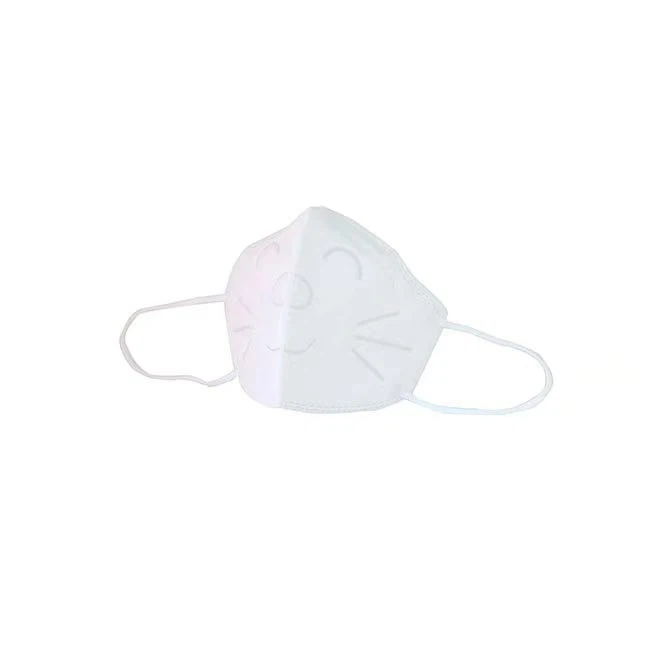
Non - surgical kids' medical face masks, especially those classified as particulate respirators, are focused on protecting the wearer. They are designed to filter out a wide range of particles, including fine dust, pollen, and some viruses. These masks often have a higher filtration efficiency for particulate matter (PM). For example, some non - surgical masks can achieve a filtration efficiency of 99% for PM2.5 particles, which are extremely small and can penetrate deep into the lungs.
Usage Scenarios
Surgical kids' medical face masks are commonly used in medical environments such as hospitals, clinics, and doctor's offices. They are worn by children during medical procedures to prevent the spread of infections from the child to medical staff and other patients. In addition, surgical masks are also suitable for daily use in public places where there is a risk of respiratory droplet transmission, such as on public transportation or in crowded supermarkets.
Non - surgical kids' medical face masks are more versatile in terms of usage scenarios. They are ideal for children who are exposed to environmental pollutants, such as during outdoor activities in areas with high air pollution or during a pollen season. Non - surgical masks can also be used in situations where the child needs more protection from airborne particles, like in a laboratory or a workshop where there are fine dust particles.
Comfort and Fit
Comfort is of utmost importance when it comes to kids' face masks. Surgical kids' medical face masks are usually made with soft materials to ensure that they do not irritate the child's delicate skin. However, the flat design may sometimes cause the mask to press against the face, especially around the nose and cheeks, which can be uncomfortable for long - term wear. To address this issue, our Kids Medical Face Mask uses a special soft fabric and an ergonomic design to reduce pressure points and improve comfort.
Non - surgical kids' medical face masks, with their 3D or more flexible designs, generally offer better comfort. The extra space inside the mask allows the child's face to breathe more freely, and the adjustable fastening systems can be customized to fit the child's head perfectly. This is particularly important for children who may be reluctant to wear masks due to discomfort.
Cost
Cost is another aspect that needs to be considered when choosing between surgical and non - surgical kids' medical face masks. Surgical masks are typically more cost - effective. They are mass - produced and widely available, which keeps the price relatively low. This makes them a popular choice for large - scale purchases, such as by schools or daycare centers.
Non - surgical kids' medical face masks, especially those with high - end filtration technology and unique designs, may be more expensive. However, the additional cost is often justified by the enhanced protection and comfort they provide. For parents who prioritize their child's health and are willing to invest in a better - quality mask, non - surgical masks can be a worthwhile option.
Regulatory Requirements
Both surgical and non - surgical kids' medical face masks are subject to certain regulatory requirements. Surgical masks need to comply with medical device regulations, which ensure their safety and effectiveness in preventing the spread of infections in medical settings. These regulations cover aspects such as material quality, filtration efficiency, and labeling.
Non - surgical kids' medical face masks also have their own set of standards. For particulate respirators, they need to meet specific standards for particle filtration and breathability. The regulatory bodies ensure that these masks are tested and certified to provide the promised level of protection.
As a supplier of Kids Medical Face Mask, I understand the importance of providing high - quality products that meet the diverse needs of our customers. Whether you are looking for a cost - effective surgical mask for daily use or a high - performance non - surgical mask for specific environmental challenges, we have the right solution for your children.
If you are interested in purchasing our kids' medical face masks, we welcome you to contact us for more information and to discuss your specific requirements. We are committed to providing the best products and services to ensure the health and safety of your children.
References
- Centers for Disease Control and Prevention (CDC). "Choosing and Using Face Masks".
- World Health Organization (WHO). "Guidelines on the use of masks in the context of COVID - 19".
- International Organization for Standardization (ISO). Standards related to medical face masks.