

What is the filtration efficiency of a disposable face mask?
Hey there! As a supplier of disposable face masks, I often get asked about the filtration efficiency of these masks. It's a super important topic, especially in today's world where health and safety are on everyone's minds. So, let's dive right in and explore what filtration efficiency really means and how it applies to disposable face masks.
First off, what exactly is filtration efficiency? Well, in simple terms, it's the ability of a mask to filter out particles from the air you breathe. These particles can be anything from dust and pollen to bacteria and viruses. The higher the filtration efficiency, the more particles the mask can block, which means better protection for you.
There are a few different factors that can affect the filtration efficiency of a disposable face mask. One of the most important is the material the mask is made of. Most disposable face masks are made of non - woven polypropylene, which is a synthetic material that's great at trapping particles. The way the material is structured also matters. Masks with multiple layers tend to have better filtration because each layer can catch different sizes of particles.
For example, a typical three - layer disposable face mask usually has an outer layer that repels water and large droplets, a middle layer that does the heavy lifting of filtering out small particles, and an inner layer that is soft and comfortable against your skin. The middle layer is often the key to the mask's filtration efficiency. It's usually made of a fine mesh that can trap tiny particles like bacteria and viruses.
Another factor that affects filtration efficiency is the fit of the mask. A mask that fits well will create a seal around your face, preventing air from leaking in or out around the edges. If air can leak around the edges, then particles can also bypass the filtration layers of the mask. That's why it's so important to choose a mask that fits properly. Some masks come with adjustable nose clips and ear loops to help you get a better fit.
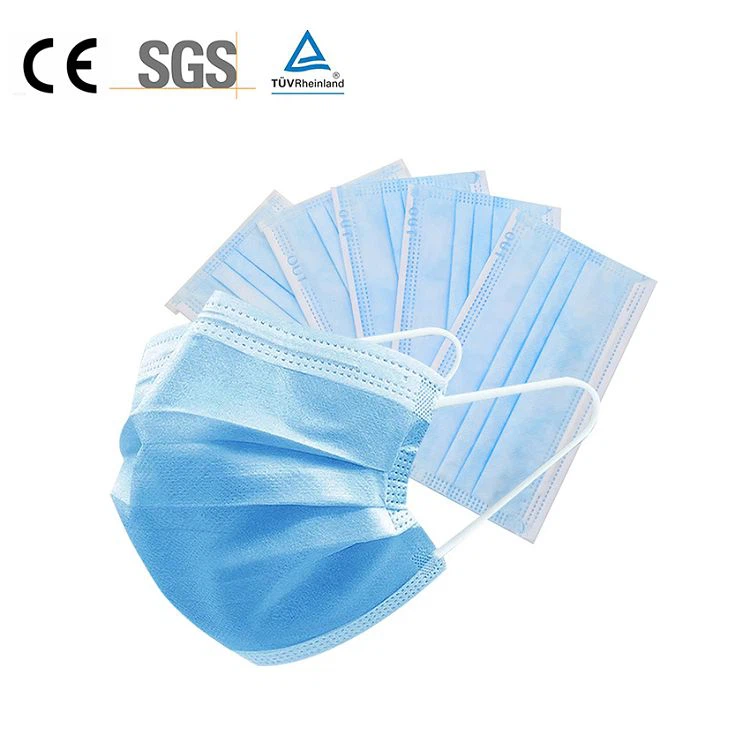

Now, let's talk about the different standards for filtration efficiency. In the United States, the National Institute for Occupational Safety and Health (NIOSH) has set standards for respirators, which are a type of mask used in industrial and healthcare settings. N95 respirators, for example, are designed to filter out at least 95% of airborne particles that are 0.3 microns in size. While disposable face masks are not usually held to the same strict standards as respirators, many high - quality disposable masks can still offer good filtration.
In the medical field, there are also standards for medical face masks. These masks are often used by healthcare workers to protect themselves and their patients. A Medical Protection Face Mask is designed to provide a certain level of protection against droplets and aerosols. They are tested to meet specific criteria for filtration efficiency and fluid resistance.
When it comes to consumer - grade disposable face masks, the filtration efficiency can vary. Some masks are designed for general use, like going to the grocery store or running errands. These masks may have a lower filtration efficiency compared to medical or industrial masks, but they can still offer some protection. On the other hand, there are also Disposable Mask Printed that are not only stylish but also offer good filtration.
As a disposable face mask supplier, we make sure to test our masks to ensure they meet a certain level of filtration efficiency. We work with manufacturers who use high - quality materials and advanced production techniques to produce masks that can effectively filter out particles. Our Medical Face Mask is one of our popular products, and it has been well - received by our customers for its good filtration and comfort.
It's also important to note that filtration efficiency is not the only thing to consider when choosing a disposable face mask. Comfort, breathability, and cost are also important factors. A mask that's too uncomfortable to wear will likely be taken off, which defeats the purpose of wearing it in the first place. And if a mask is too expensive, it may not be accessible to everyone who needs it.
So, how can you tell if a disposable face mask has good filtration efficiency? Well, one way is to look for masks that are certified by a reputable organization. For example, in some countries, masks may be certified by a national health authority or a standards organization. You can also look for information on the product packaging or the manufacturer's website. They should provide details about the mask's filtration efficiency and other features.
In conclusion, the filtration efficiency of a disposable face mask is a crucial factor in determining its effectiveness in protecting you from airborne particles. By understanding what affects filtration efficiency and how to choose a mask with good filtration, you can make an informed decision when it comes to your health and safety.
If you're interested in purchasing high - quality disposable face masks with good filtration efficiency, we'd love to hear from you. Whether you're a business looking to stock up on masks for your employees or an individual looking for personal use, we can provide you with the right products. Just reach out to us, and we'll be happy to discuss your needs and provide you with a quote.
References
- National Institute for Occupational Safety and Health (NIOSH)
- Various research studies on face mask filtration efficiency